
Spinal Fusion in Hampton, Stockbridge & Atlanta, GA
Spinal fusion is a surgical procedure used to stabilize part of the spine by joining two or more vertebrae so that they heal together as a single, more stable segment. Depending on where the problem is located, fusion may be performed in the cervical spine of the neck, the thoracic spine of the upper and middle back, or the lumbar spine of the lower back.
At Nova Brain and Spine, spinal fusion is one of the central areas of our spine practice. Dr. Jerry Walters and Dr. Marcus Stephens perform a broad range of spine surgeries, while Dr. Walters has a particular focus on complex and minimally invasive spine procedures, including spinal revisions. Our approach is evidence-based and individualized: we consider whether surgery is truly necessary, which operation best addresses the underlying problem, and how that treatment fits into your overall health and life.
Patients throughout Hampton, Fayetteville, Stockbridge, and Atlanta, GA, and the surrounding regions come to us for direct access to neurosurgeons who remain closely involved before, during, and after surgery. To learn more about spinal fusion, contact us online or call 770-515-8770 today.
3
Hospital partners across metro Atlanta
~1 week
Typical wait to be evaluated by a neurosurgeon
4–6 wks
General framework for surgical healing
2
Fellowship-trained neurosurgeons on your case
Quick Links
Jump to any section on this page.
- What Is Spinal Fusion?
- Why Choose Nova Brain and Spine?
- When is Fusion Recommended?
- Cervical, Thoracic & Lumbar Fusion
- Minimally Invasive Spinal Fusion
- OptiLIF Spinal Fusion
- Complex & Revision Spinal Fusion
- Preparing for Spinal Fusion
- What to Expect on the Day of Surgery
- Spinal Fusion Recovery
- Talk with a Neurosurgeon
- Spinal Fusion FAQs
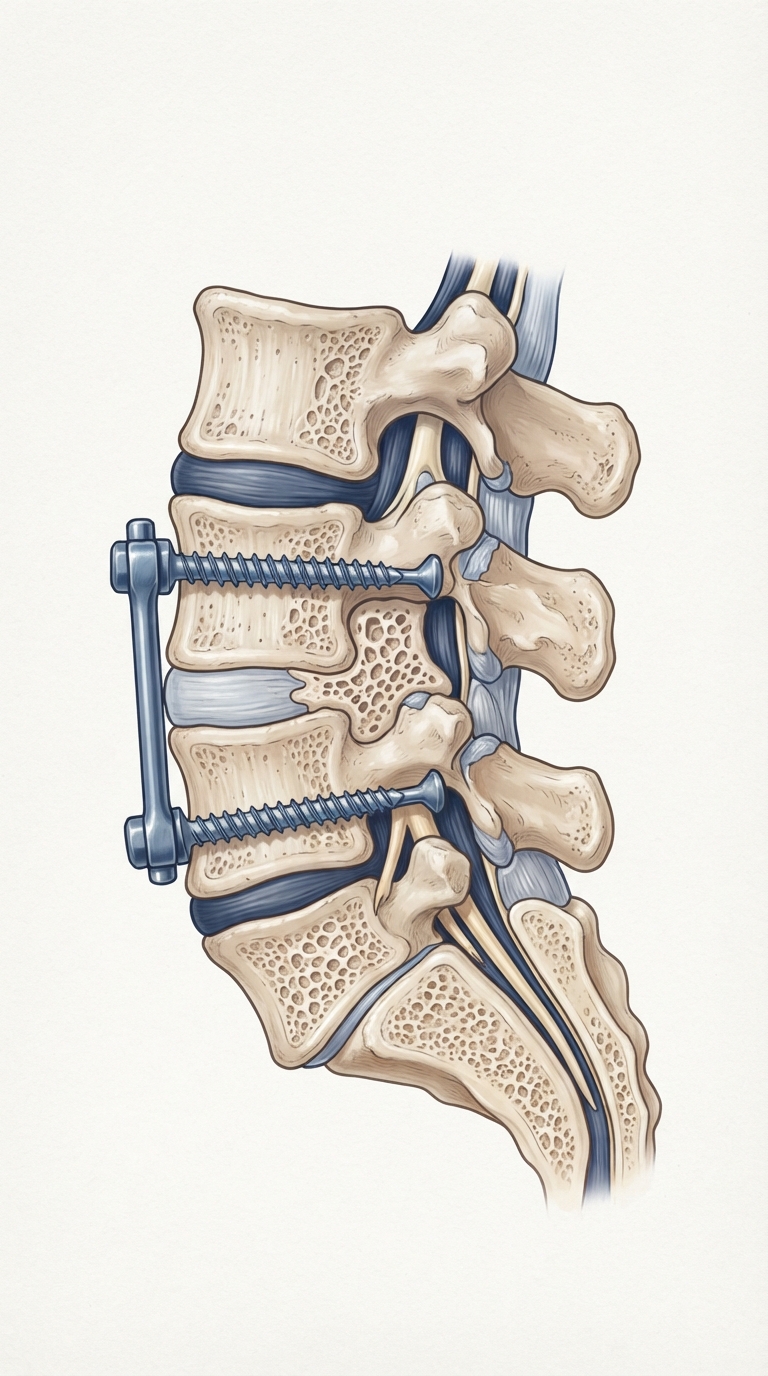
What Is Spinal Fusion?
The spine is made up of individual vertebrae separated by discs and supported by joints, ligaments, muscles, and other structures. Together, these components provide both stability and movement.
In some circumstances, abnormal movement or loss of structural support can contribute to pain, neurologic symptoms, or progressive problems with the spine. Spinal fusion is designed to create stability across the affected level. Bone graft material, as well as a patient’s own bone, is used to encourage the vertebrae to heal together, and spinal instrumentation may be placed to support the area while fusion develops.
Spinal fusion is not one single operation.
The surgical approach depends on where the problem is located, what structures are involved, whether nerves or the spinal cord also require decompression, whether you have undergone previous spine surgery, and other individual considerations. We take the time to determine which of these factors actually matter in your case before recommending an operation.
Why Choose Nova Brain and Spine for Spinal Fusion?
As Georgia’s Comprehensive Brain and Spine Center, Nova Brain and Spine combines the breadth expected of a neurosurgical referral center with the direct access and personal attention of an independent practice.
Your Neurosurgeon Is the Face of Your Care
When you come to Nova Brain and Spine, your relationship is directly with your surgeon. You are not evaluated by a physician extender and then passed through layers of care. Dr. Walters and Dr. Stephens remain personally involved throughout the surgical process, including postoperative hospital care.
Broad Expertise in Spine Surgery
Both surgeons perform a wide range of spine procedures. Dr. Walters has particular expertise in complex and minimally invasive spine surgery, including spinal revisions, while the breadth of the practice allows us to evaluate complicated neurologic and spinal problems from a neurosurgical perspective.
Advanced Surgical Technology Used with Purpose
Our surgeons routinely incorporate intraoperative navigation, minimally invasive instrumentation, and dedicated neurologic monitoring when appropriate. Dr. Walters also offers OptiLIF for properly selected spinal fusion patients.
Timely Access to a Neurosurgeon
Patients referred to large medical systems can sometimes wait a considerable amount of time before seeing the specialist who will actually make their treatment decision. Dr. Walters and Dr. Stephens oversee the intake process closely, and patients can often be evaluated within days or approximately one week.
Evidence-Based Care With a Human Connection
We built our practice around the belief that technical excellence and human interaction belong together. We consider current neurosurgical standards and available evidence while making room for the conversations that matter to you and your family.
A Standard We Apply to Our Own Families
We have even trusted one another with the care of our own family members. That same level of consideration shapes the recommendations we make for the people who come through our doors.
When Is Spinal Fusion Recommended?
Needing an evaluation by a spine surgeon does not automatically mean that you need a fusion. The decision is based on more than an MRI.
Conservative Care First
At Nova Brain and Spine, we routinely recommend conservative treatment when there is no significant neurologic compromise and appropriate nonsurgical options have not yet been exhausted.
- Physical therapy
- Spinal injections
- Medication management
- Activity modification
Other treatments may be appropriate depending on the condition.
When Surgery Is Considered
Surgery becomes a more serious consideration when the underlying problem requires stabilization or when neurologic structures are being affected and conservative care is no longer sufficient.
- Structural instability
- Nerve or spinal cord compression
- Progressive neurologic deficit
- Failed conservative treatment
We look at your imaging in the context of what you are experiencing and how the condition is affecting your life. When the decision is significant, we take the time necessary to answer your questions — that may require a longer conversation or, in some situations, more than one visit before you feel comfortable moving forward.
Cervical, Thoracic, and Lumbar Spinal Fusion
Our neurosurgeons perform spinal fusion throughout the spine, with the specific procedure selected according to the condition being treated.
Cervical Spinal Fusion
NECK · C1–C7
Cervical fusion stabilizes one or more levels of the neck. One commonly performed cervical operation is anterior cervical discectomy and fusion, or ACDF, in which the surgeon approaches the cervical spine from the front of the neck to address the affected level and create stability.
The appropriate cervical procedure depends on the location of the problem and the structures involved.
Thoracic Spinal Fusion
UPPER & MID BACK · T1–T12
The thoracic spine extends through the upper and middle back. Fusion in this region may be considered when a condition affecting the thoracic vertebrae requires surgical stabilization.
Because the thoracic spine surrounds and protects the spinal cord, careful surgical planning and attention to neurologic function are particularly important.
Lumbar Spinal Fusion
LOWER BACK · L1–L5
Lumbar fusion treats the lower portion of the spine. There are several ways to reach and stabilize the lumbar spine, and the appropriate technique depends on the specific anatomy and diagnosis.
Whenever possible and appropriate, our surgeons consider techniques that accomplish the necessary treatment while limiting disruption to surrounding tissues.
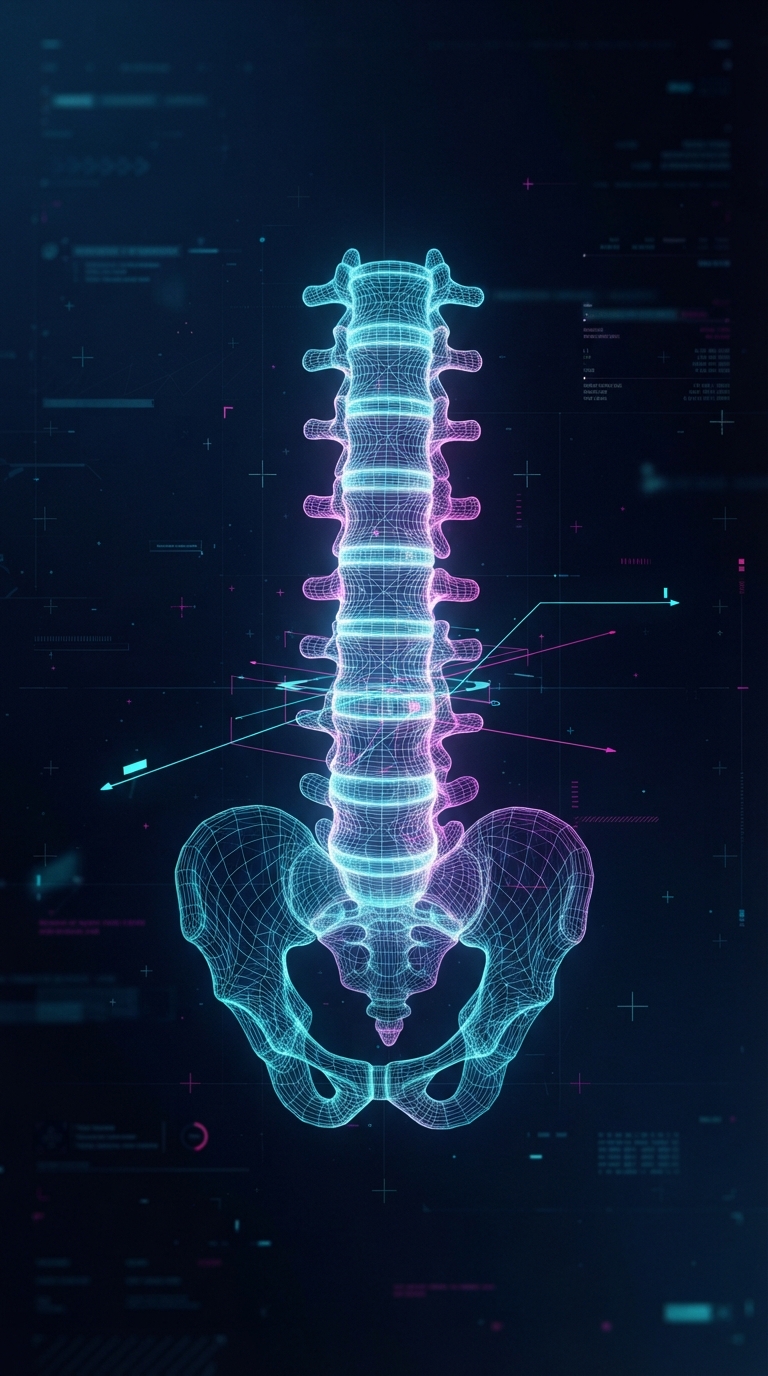
Minimally Invasive Spinal Fusion
Minimally invasive spine surgery is an important part of our practice. These procedures use specialized instrumentation and surgical approaches designed to reach the affected area through a more limited surgical corridor when the diagnosis and anatomy make that approach appropriate.
A minimally invasive technique is not automatically the best option for every spine problem. The procedure still has to fully address the condition that brought you to surgery in the first place.
Our surgeons routinely use minimally invasive instrumentation in spine surgery, along with intraoperative navigation to help guide the procedure. We also work with a dedicated intraoperative neuromonitoring team that can monitor critical neurologic function in real time during surgery.
Intraoperative navigation to help guide the procedure
Minimally invasive instrumentation and tubular retractors
A dedicated intraoperative neuromonitoring team tracking critical neurologic function in real time
OptiLIF Minimally Invasive Spinal Fusion
Dr. Walters also performs OptiLIF, an ultra-minimally invasive spinal fusion technique. He is among a limited number of neurosurgeons in Georgia utilizing this technology.
OptiLIF may provide another surgical option for appropriately selected patients who require lumbar fusion. Whether it is suitable for you depends on the specific spinal problem, your anatomy, prior treatment, and what needs to be accomplished surgically.
By itself, technology does not determine the treatment plan. We select an approach because it makes sense for the individual patient, not simply because a newer technique is available.
Complex & Revision Spinal Fusion
Revision surgery can require a different level of planning because a surgeon must account for previous procedures, existing instrumentation, changes in anatomy, and the reason symptoms have persisted or returned.
Complex Spine Surgery
Dr. Walters’ areas of focus include complex spine surgery and complex spinal revisions, where prior anatomy and hardware change what the operation must accomplish.
Trauma & Spinal Tumors
Nova Brain and Spine treats a broad range of spinal conditions, including challenging cases involving trauma and metastatic cancer affecting the spine.
Second Opinion Evaluations
If you have previously undergone spine surgery and have been told that another operation may be necessary, we can evaluate your case as a second opinion.
Preparing for Spinal Fusion
If spinal fusion is recommended, preparation begins well before the day of surgery.
1
Plan Your Recovery Setting
We will discuss what to expect after the operation, including anticipated limitations and where you are likely to recover. Depending on the procedure and your individual needs, that may mean returning home with help from a family member or arranging additional postoperative support.
2
Complete Pre-Anesthesia Testing
You should complete your pre-anesthesia testing and attend any appointments with other physicians involved in preparing you safely for surgery.
3
Bring Someone With You
We encourage you to bring a family member or another person who helps you make healthcare decisions to important appointments. Spine surgery can involve a great deal of information, and having another person present can be valuable when discussing the diagnosis, procedure, recovery, and questions you may want answered.
What to Expect on the Day of Surgery
Check-In & Preoperative Area
You will check into the preoperative area, where the nursing and anesthesia teams will prepare you for the procedure.
You See Your Surgeon First
Dr. Walters or Dr. Stephens will see you before surgery. For particularly complex operations, both surgeons may be involved.
Postoperative Recovery
After the operation, you will recover in the postoperative recovery area. Some procedures may allow discharge without an extended hospital stay, while patients undergoing spinal fusion are more commonly admitted following surgery.
Continued Surgeon Involvement
If you remain in the hospital, your surgeon continues to be directly involved in your care and sees you during your admission.
Where We Operate
Nova Brain and Spine is an independent neurosurgical practice partnered with the Piedmont Healthcare system. Our surgeons perform procedures at:
- Piedmont Atlanta Hospital
- Piedmont Fayette Hospital
- Piedmont Henry Hospital
Spinal Fusion Recovery
Recovery varies considerably depending on the part of the spine treated, the extent of surgery, the number of levels involved, your overall health, and whether the operation is a first-time or revision procedure.
3–5 days
Average hospital stay
Although many patients leave sooner.
4–6 weeks
Surgical site healing
Some patients resume many normal activities within a few weeks; others require more time.
~10 days
First postoperative visit
Our typical protocol includes an incision check and early follow-up with your surgeon.
As a general framework within our practice, we typically tell patients to allow approximately four to six weeks for the surgical site to heal and to begin feeling fully like themselves again. Some patients are able to resume many normal activities considerably sooner, sometimes within a few weeks, while others require more time.
Before you go home, you will receive instructions regarding wound care, activity, and other aspects of recovery. You will also have a way to contact your surgeon if a question or concern develops.
Talk With a Neurosurgeon About Your Brain & Spine
At Nova Brain and Spine, your relationship is directly with your surgeon — before, during, and after your operation.

Jerry Walters, MD
NEUROSURGEON · COMPLEX & MINIMALLY INVASIVE SPINE
Dr. Walters focuses on complex spine surgery and complex spinal revisions, and is among a limited number of neurosurgeons in Georgia performing OptiLIF ultra-minimally invasive lumbar fusion.
AREAS OF FOCUS
- Complex spine surgery
- Spinal revisions
- OptiLIF
- Minimally invasive fusion
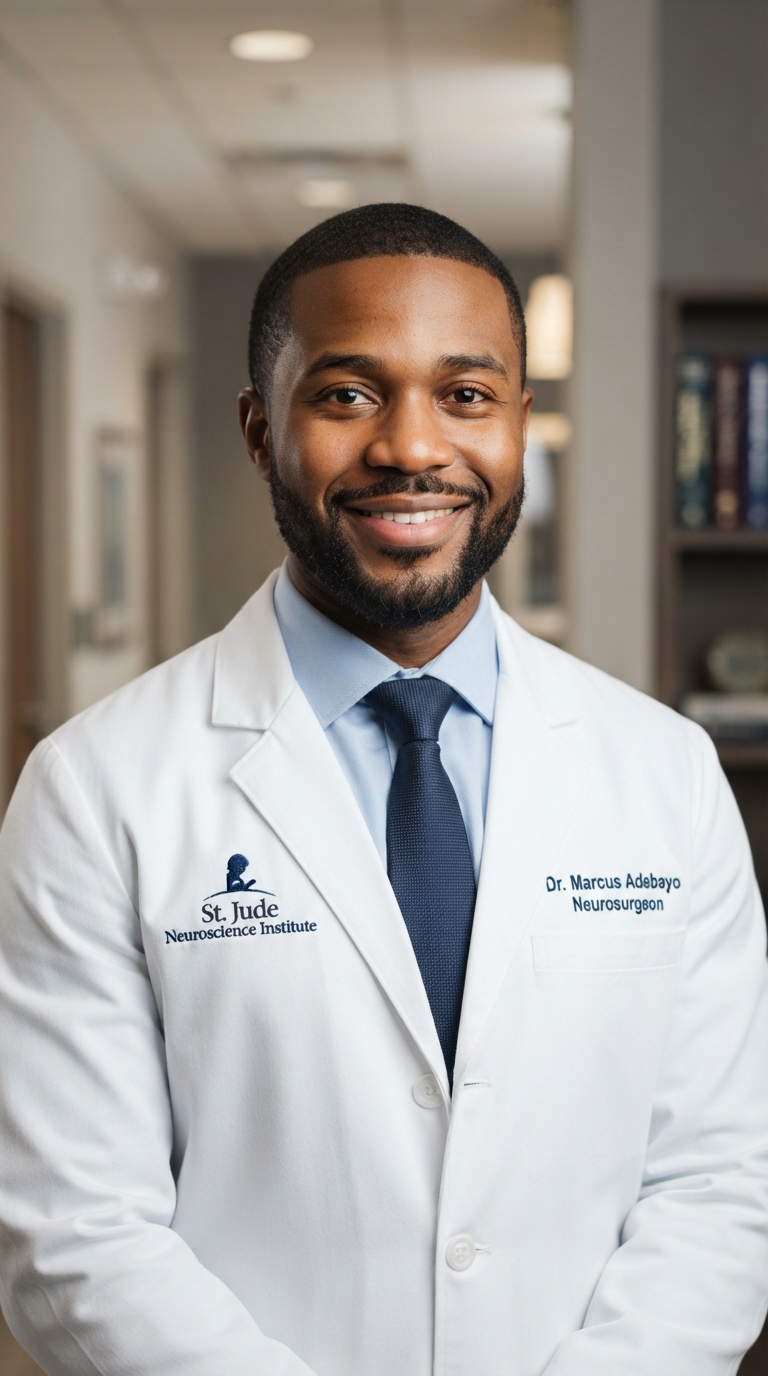
Marcus Stephens, MD
NEUROSURGEON · BRAIN & SPINE
Dr. Stephens performs a wide range of spine procedures and evaluates complicated neurologic and spinal problems from a neurosurgical perspective, including trauma and metastatic spinal disease.
AREAS OF FOCUS
- Cervical fusion
- Lumbar fusion
- Spinal trauma
- Spinal tumors
Ready to Get Started?
Being told that you may need spinal fusion raises important questions: whether surgery is truly necessary, what type of fusion makes sense, whether a minimally invasive approach is possible, and what recovery will require.
At Nova Brain and Spine, you will discuss those questions directly with the neurosurgeon responsible for your care. We provide evidence-based, technically advanced spine surgery while maintaining the personal involvement that can be difficult to find in a larger healthcare environment.
If you are looking for a spinal fusion specialist in Hampton, Stockbridge, Atlanta, GA, or the surrounding region, contact Nova Brain and Spine to schedule an evaluation.
Spinal Fusion in Hampton – FAQs
Still have questions?
Speak directly with the neurosurgeon who would be responsible for your care.
Is spinal fusion always necessary when someone has back or neck pain?
No. Many spine problems are treated without fusion, and some do not require surgery at all. We routinely recommend conservative treatment when neurologic structures are not compromised and appropriate nonsurgical therapies have not yet been fully explored.
Can spinal fusion be performed with a minimally invasive approach?
In some cases, yes. Minimally invasive spine surgery is regularly used at Nova Brain and Spine when the anatomy and condition make it appropriate.
What is the difference between spinal fusion and decompression?
Decompression surgery is intended to create additional room around compressed neurologic structures. Fusion is used to stabilize part of the spine. Depending on the diagnosis, a patient may require decompression alone or decompression combined with stabilization.
How long will I stay in the hospital after spinal fusion?
Our practice generally advises patients that hospital stays after procedures such as spinal fusion average approximately three to five days, although many patients are discharged sooner. Your expected stay will depend on the operation and your individual recovery.
When will I be able to return to normal activities?
Recovery is individualized. We generally allow approximately four to six weeks for surgical healing and for patients to begin feeling more fully recovered, although some people are able to return to many routine activities considerably earlier. Your surgeon will give you specific restrictions based on your procedure.
Will I see my surgeon after the operation?
Yes. Direct physician involvement is an important part of how we practice. If you are admitted to the hospital, your surgeon continues to see you during your stay. After discharge, our typical protocol includes a postoperative incision check approximately 10 days after surgery.
Can I get a second opinion about a recommended spinal fusion?
Yes. We provide second-opinion evaluations through the same standard consultation process we use for other patients. If another surgeon has recommended fusion and you want another neurosurgical perspective before moving forward, we can review your imaging, history, and treatment options with you.
What should I bring to my consultation?
If available, bring your imaging on a CD along with the corresponding radiology reports and relevant records from physicians who have already evaluated or treated your condition. We also encourage you to bring a family member or another person who helps you make healthcare decisions.