
Stroke Treatment in Hampton, Stockbridge, Fayetteville & Atlanta, GA
A stroke occurs when blood flow to part of the brain is interrupted or when a blood vessel in the brain ruptures. Because brain tissue depends on a continuous supply of oxygen, stroke is a medical emergency that requires immediate treatment.
At Nova Brain and Spine, we provide neurosurgical evaluation and treatment for selected cerebrovascular conditions associated with stroke, including complex conditions that may require cerebral aneurysm clipping or cerebral bypass surgery. Dr. Marcus Stephens completed additional fellowship training in skull base and open cerebrovascular neurosurgery after residency and focuses extensively on advanced cranial surgery.
Our role may begin after a stroke has occurred, when surgery is being considered for a cerebrovascular condition, or when a patient needs another neurosurgical perspective about a diagnosis that could increase the risk of stroke.
Patients from Hampton, Stockbridge, Fayetteville, Atlanta, GA, and throughout the surrounding region can contact Nova Brain and Spine online or call (770) 515-8770 for a consultation or second opinion.
3
Hospital partners across metro Atlanta
~1 week
Typical wait to be evaluated by a neurosurgeon
4–6 wks
General framework for surgical healing
2
Fellowship-trained neurosurgeons on your case
Quick Links
Jump to any section on this page.
- What Is a Stroke?
- If You Think You Are Having a Stroke, Call 911
- What Is an Ischemic Stroke?
- What Is a Hemorrhagic Stroke?
- What Is a Transient Ischemic Attack (TIA)?
- Why Choose Nova Brain and Spine for Stroke-Related Neurosurgical Care?
- What Are the Warning Signs of a Stroke?
- How Is a Stroke Diagnosed?
- How Is an Ischemic Stroke Treated?
- How Is a Hemorrhagic Stroke Treated?
- When Does a Stroke Require Brain Surgery?
- Stroke Caused by a Cerebral Aneurysm
- Cerebral Aneurysm Clipping
- Cerebral Bypass Surgery
- What Happens After a Stroke?
- Can Another Stroke Be Prevented?
- What to Expect at a Cerebrovascular Consultation
- Independent Practice, Connected to Piedmont Healthcare
- Second Opinions After a Stroke
- Talk with a Neurosurgeon About Stroke-Related Care
- Atlanta, GA, Stroke Treatment FAQs
What Is a Stroke?
A stroke happens when part of the brain suddenly stops receiving enough blood and oxygen.
There are two main types:
- Ischemic stroke, which is caused by a blockage in a blood vessel supplying the brain.
- Hemorrhagic stroke, which is caused when a blood vessel ruptures and bleeding occurs in or around the brain.
Both conditions can damage brain tissue, but their causes and treatments differ significantly.
Imaging is therefore essential to emergency stroke evaluation. Doctors need to determine whether the problem is a blocked vessel or bleeding before deciding how treatment should proceed.
If You Think You Are Having a Stroke, Call 911
Stroke symptoms require emergency medical attention. Do not wait for an office appointment if you or someone around you develops sudden weakness, numbness, difficulty speaking, vision changes, loss of balance, or another possible stroke symptom.
Call 911 immediately. Stroke treatments are time-sensitive, and emergency medical services can begin evaluation while transporting the patient to an appropriate hospital.
Ischemic Stroke, Hemorrhagic Stroke, and TIA
Strokes are grouped by what interrupts blood flow to the brain, and a TIA can be an early warning that a stroke may follow.
What Is an Ischemic Stroke?
An ischemic stroke occurs when a clot or another blockage prevents blood from reaching part of the brain. Without enough oxygen, brain cells can begin to become damaged within minutes.
Emergency treatment may involve medication designed to dissolve a clot or, in selected patients with certain large-vessel blockages, a procedure called mechanical thrombectomy that physically removes the clot.
Eligibility for these treatments depends on several factors, including when symptoms began, imaging findings, which blood vessel is blocked, and the patient’s overall medical condition.
This evaluation takes place through an emergency stroke team at an appropriately equipped hospital.
What Is a Hemorrhagic Stroke?
A hemorrhagic stroke occurs when a blood vessel in the brain leaks or ruptures.
The resulting blood can directly damage brain tissue and may also increase pressure within the skull.
Possible causes include:
- Cerebral aneurysm rupture
- High blood pressure
- Abnormal blood vessels
- Certain medications or bleeding disorders
- Other cerebrovascular conditions
Treating a hemorrhagic stroke depends on the cause, amount and location of bleeding, pressure on the brain, and the patient’s neurologic condition. Some hemorrhagic strokes can require neurosurgical treatment.
What Is a Transient Ischemic Attack (TIA)?
A transient ischemic attack, commonly called a TIA or “mini-stroke,” occurs when blood flow to part of the brain is temporarily interrupted.
Symptoms may disappear after a short period of time, but that does not make a TIA harmless. A TIA can be an important warning sign that a future stroke may occur.
If sudden stroke symptoms develop and then resolve, emergency evaluation is still necessary.
Why Choose Nova Brain and Spine for Stroke-Related Neurosurgical Care?
As Georgia’s Comprehensive Brain and Spine Center, we combine advanced neurosurgical care with the direct physician involvement and personal attention of an independent practice.
Advanced Cerebrovascular Training
Stroke and other cerebrovascular conditions involve some of neurosurgery’s most complex anatomy.
After completing neurosurgical residency, Dr. Stephens pursued additional fellowship training in skull base and open cerebrovascular neurosurgery. His cranial practice includes cerebral aneurysm clipping, cerebral bypass surgery, brain tumor surgery, and other technically demanding operations involving critical structures within the brain.
Cerebral Aneurysm Surgery
A ruptured cerebral aneurysm can cause a severe form of hemorrhagic stroke known as a subarachnoid hemorrhage.
Dr. Stephens performs cerebral aneurysm clipping, an open surgical procedure that places a clip across the neck of an aneurysm to prevent blood from entering it.
The appropriate treatment for an aneurysm depends on its anatomy, whether it has ruptured, and other patient-specific factors.
Cerebral Bypass Surgery
Dr. Stephens also performs cerebral bypass surgery.
A cerebral bypass creates a new route for blood to reach an area of the brain when normal circulation is inadequate or when a particular cerebrovascular condition requires another source of blood flow.
Bypass surgery is highly specialized and is used only in selected situations.
Direct Access to Your Neurosurgeon
When you come to Nova Brain and Spine for a cerebrovascular consultation, you meet directly with the neurosurgeon who evaluates your condition.
We believe patients facing significant brain diagnoses need enough time to understand what happened, what the imaging shows, and which treatment options are worth considering.
Timely Evaluation
Patients can often see one of our surgeons within days or about a week, depending on scheduling and the urgency of the situation.
For patients recovering from a stroke or facing a diagnosis such as a cerebral aneurysm, timely access can help clarify what needs to happen next.
Care for the Person Behind the Imaging
Having a stroke can affect movement, speech, memory, independence, employment, and family life.
We take those realities seriously. Our recommendations consider not only the imaging but also neurologic function, overall health, recovery, personal priorities, and the questions that matter to you and your family.
What Are the Warning Signs of a Stroke?
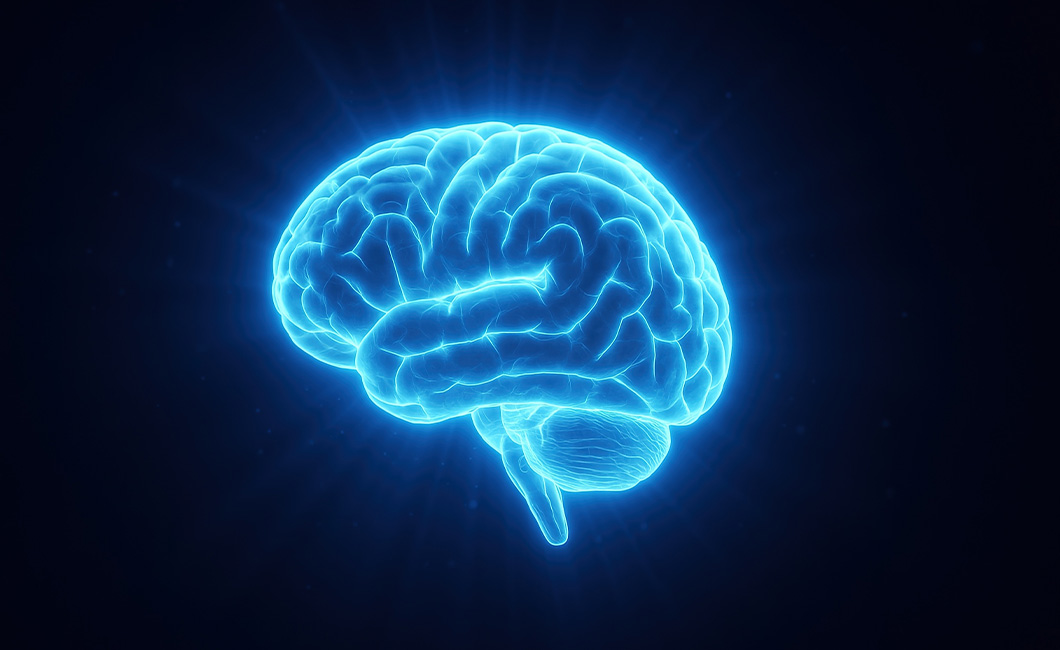
Stroke symptoms often begin suddenly. The BE FAST acronym can help identify several common warning signs.
Other possible stroke symptoms include sudden severe headache, numbness or weakness on one side of the body, confusion, and loss of coordination.
Balance
Sudden dizziness, loss of balance, or difficulty walking.
Eyes
Sudden vision loss, blurred vision, double vision, or another unexpected change in sight.
Face
One side of the face may droop or feel numb.
Arms
One arm may suddenly become weak or numb or drift downward when both arms are raised.
Speech
Speech may become slurred, unusual, or difficult to understand. A person may also have trouble finding words or understanding what others are saying.
Time
If any of these symptoms occur, call 911 immediately.
How Is a Stroke Diagnosed?
Emergency stroke evaluation begins with determining what type of stroke has occurred and which part of the brain is affected.
Testing may include:
- Neurologic examination
- CT imaging
- MRI
- Imaging of the blood vessels in the head and neck
- Blood testing
- Heart and circulation evaluation
One of the first priorities is determining whether there is bleeding in the brain or a blocked artery because treatment differs substantially between ischemic and hemorrhagic stroke.
Additional testing may then be used to determine why the stroke occurred and how the risk of another event can be reduced.
How Is a Stroke Treated?
Treatment depends first on whether the stroke was caused by a blocked artery or by bleeding.
How Is an Ischemic Stroke Treated?
Acute ischemic stroke treatment focuses on restoring blood flow to threatened brain tissue as quickly as possible.
Depending on the individual situation, hospital-based emergency treatment may include intravenous clot-dissolving medication or mechanical thrombectomy for selected large-vessel blockages. Not every patient qualifies for either treatment.
The emergency stroke team considers symptom onset time, imaging, severity of neurologic deficits, blockage location, medical history, and other factors before deciding what can be done safely.
After the immediate emergency has been treated, additional care focuses on recovery and understanding why the stroke occurred.
How Is a Hemorrhagic Stroke Treated?
Treatment for a hemorrhagic stroke focuses on controlling bleeding, limiting pressure on the brain, and treating the blood vessel or condition responsible for the hemorrhage.
Management may involve:
- Controlling blood pressure
- Reversing certain blood-thinning medications when necessary
- Monitoring pressure within the skull
- Treating the underlying vascular abnormality
- Neurosurgical or endovascular procedures in selected cases
When bleeding is related to a ruptured cerebral aneurysm, securing the aneurysm becomes an important part of preventing additional bleeding.
When Does a Stroke Require Brain Surgery?
Most strokes do not automatically require open brain surgery.
Neurosurgery may become necessary when the underlying problem involves significant bleeding, pressure on the brain, a ruptured aneurysm, another vascular abnormality, or a condition that requires surgical restoration of blood flow.
Examples of procedures that may be considered in selected stroke patients include:
- Cerebral aneurysm clipping
- Surgery to address certain areas of intracranial bleeding
- Operations used to relieve dangerous pressure on the brain
- Cerebral bypass in carefully selected cerebrovascular conditions
The appropriate treatment depends entirely on what caused the stroke and how the brain has been affected.
Stroke Caused by a Cerebral Aneurysm
A ruptured aneurysm produces a different clinical situation from the more common clot-related ischemic stroke.
Aneurysm rupture can cause sudden bleeding around the brain and may present with an extremely severe headache, loss of consciousness, nausea, neck stiffness, neurologic deficits, or other sudden symptoms. This is an emergency.
Once the patient’s condition has been stabilized and the aneurysm evaluated, specialists determine how best to prevent additional bleeding. For some aneurysms, our surgeons may consider open surgical clipping.
Open Cerebrovascular Surgery
Dr. Stephens performs cerebral aneurysm clipping and cerebral bypass surgery as part of his open cerebrovascular practice.
Cerebral Aneurysm Clipping
A cerebral aneurysm is a weakened area of a brain artery that bulges outward. If an aneurysm ruptures, blood can enter the space surrounding the brain and cause a subarachnoid hemorrhage.
During aneurysm clipping, the neurosurgeon reaches the aneurysm through a craniotomy and places a small clip across its base. The clip prevents additional blood from entering the aneurysm while preserving circulation through the normal artery.
Not every aneurysm is treated with open surgery. The anatomy of the aneurysm, its location, rupture status, patient health, and other factors all influence which approach is appropriate.
Cerebral Bypass Surgery
A cerebral bypass redirects blood flow around an area where circulation to the brain is inadequate.
The concept is similar to bypass surgery elsewhere in the body: another blood vessel is connected to a cerebral artery to create an additional route for blood to reach brain tissue.
Cerebral bypass is reserved for selected cerebrovascular conditions and is not a routine treatment for most strokes. Dr. Stephens has completed additional fellowship training in open cerebrovascular neurosurgery.
The decision to consider bypass requires detailed imaging and careful evaluation of the brain’s existing blood supply.
What Happens After a Stroke?
Emergency treatment is only one part of stroke care.
Recovery depends on which part of the brain was affected, how much tissue was injured, how quickly treatment occurred, and the person’s overall health.
A patient may require rehabilitation involving:
- Physical therapy
- Occupational therapy
- Speech and language therapy
- Swallowing therapy
- Cognitive rehabilitation
- Assistance with mobility and daily activities
Some people recover much of their previous function, while others have lasting neurologic changes. Recovery can continue over time, and the rehabilitation plan should reflect the specific abilities affected by the stroke.
Can Another Stroke Be Prevented?
After a stroke or TIA, understanding why it happened becomes an important part of reducing the risk of another event. Prevention depends on the cause.
The broader medical team may evaluate conditions such as high blood pressure, heart rhythm abnormalities, cholesterol problems, diabetes, smoking, vascular disease, or other factors that can increase stroke risk.
When a structural cerebrovascular problem, such as an aneurysm or another abnormality, is involved, surgical or other procedural treatment may also help reduce future risk.
What to Expect at a Cerebrovascular Consultation
A post-stroke consultation differs from emergency stroke care.
If you are medically stable and have been referred for neurosurgical evaluation, we can review the condition that caused the stroke, the available imaging, treatments you have already received, and whether a neurosurgical procedure needs to be considered.
Bring Your Imaging and Records
If possible, bring:
- Brain imaging on a CD
- Vascular imaging
- Radiology reports
- Hospital discharge records
- Previous neurology or neurosurgery notes
- Procedure reports
- A current medication list
Bring Someone You Trust
We also encourage you to bring a family member or another trusted person.
Meeting Your Surgeon
You will meet directly with your neurosurgeon so they can address your questions clearly and make sure you fully understand your condition and your available options. We are here to support you and guide you through this process.
Independent Practice, Connected to Piedmont Healthcare
Nova Brain and Spine is an independent neurosurgical practice partnered with the Piedmont Healthcare system.
When surgery requires a hospital stay, your neurosurgeon remains directly involved in your care. Our independent structure lets us maintain a direct physician relationship while providing complex neurosurgical treatment at major Georgia hospitals.
Our surgeons perform procedures at:
- Piedmont Atlanta Hospital
- Piedmont Fayette Hospital
- Piedmont Henry Hospital
Second Opinions After a Stroke
Stroke can leave patients and families trying to process a flood of information quickly.
If you have been diagnosed with a cerebral aneurysm, cerebrovascular condition, or another problem that may require neurosurgery, we can provide a second opinion.
We review your imaging, symptoms, previous treatment, and any proposed operation so you can better understand why a procedure was recommended and what alternatives you may have.
A second opinion may confirm the original treatment plan or offer another perspective; either way, you can gain greater clarity before you make a major decision.
Talk With a Neurosurgeon About Your Brain & Spine
At Nova Brain and Spine, your relationship is directly with your surgeon — before, during, and after your operation.

Jerry Walters, MD
NEUROSURGEON · COMPLEX & MINIMALLY INVASIVE SPINE
Dr. Walters focuses on complex spine surgery and complex spinal revisions, and is among a limited number of neurosurgeons in Georgia performing OptiLIF ultra-minimally invasive lumbar fusion.
AREAS OF FOCUS
- Complex spine surgery
- Spinal revisions
- OptiLIF
- Minimally invasive fusion
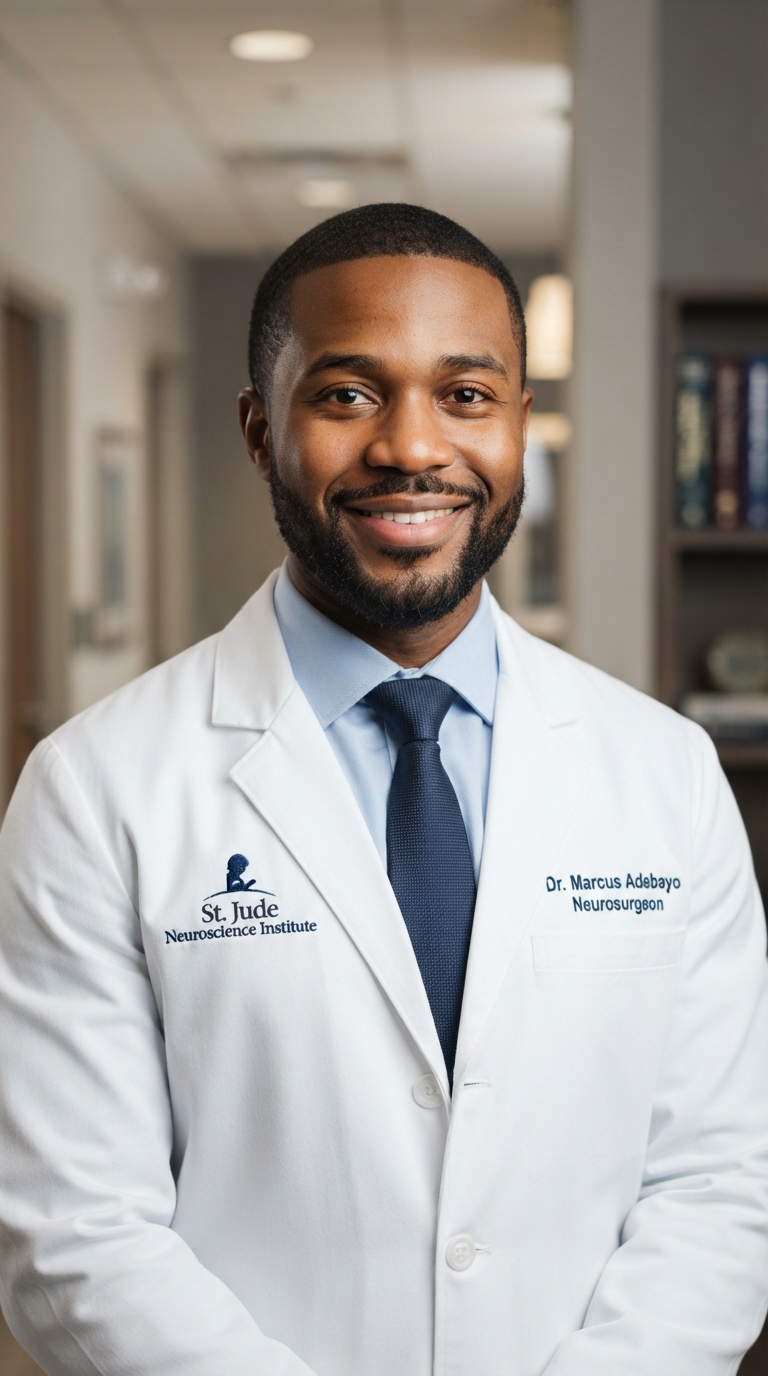
Marcus Stephens, MD
NEUROSURGEON · BRAIN & SPINE
Dr. Stephens performs a wide range of spine procedures and evaluates complicated neurologic and spinal problems from a neurosurgical perspective, including trauma and metastatic spinal disease.
AREAS OF FOCUS
- Cervical fusion
- Lumbar fusion
- Spinal trauma
- Spinal tumors
Talk with a Neurosurgeon About Stroke-Related Care
Recovering from a stroke or learning that you have a cerebrovascular condition can raise difficult questions about what happened, whether surgery is necessary, and what comes next. We can help you understand your imaging, diagnosis, and neurosurgical options while giving you and your family the time needed to make informed decisions. Just as importantly, we care for our patients with the same attention and concern we would want for our own families.
For stroke-related neurosurgical evaluation or a second opinion in Hampton, Stockbridge, Fayetteville, Atlanta, GA, or the surrounding region, contact Nova Brain and Spine online or call (770) 515-8770.
If you or someone around you is experiencing new stroke symptoms, call 911 immediately rather than contacting the office.
Atlanta, GA, Stroke Treatment FAQs
Still have questions?
Speak directly with the neurosurgeon who would be responsible for your care.
What is the difference between an ischemic and hemorrhagic stroke?
An ischemic stroke occurs when a blood vessel supplying the brain becomes blocked. A hemorrhagic stroke occurs when a blood vessel ruptures and bleeding develops in or around the brain.
What should I do if I think someone is having a stroke?
Call 911 immediately. Do not wait for symptoms to improve or schedule an outpatient appointment. Stroke treatment is time-sensitive.
Can stroke symptoms go away on their own?
They can, but temporary symptoms may represent a TIA. Even if weakness, speech difficulty, vision changes, or another neurologic symptom disappears, emergency medical evaluation is still important.
Does every stroke require surgery?
No. Many strokes are treated medically or with hospital-based endovascular treatment rather than open surgery. Neurosurgery may be necessary for selected hemorrhagic strokes, aneurysms, dangerous pressure on the brain, or other cerebrovascular conditions.
What is a cerebral aneurysm?
A cerebral aneurysm is an abnormal bulging or weakened area in the wall of a brain artery. If it ruptures, it can cause bleeding around the brain and a hemorrhagic stroke.
What is aneurysm clipping?
Aneurysm clipping is an open neurosurgical procedure in which a clip is placed across the neck of an aneurysm to stop blood from entering it while preserving flow through the normal artery.
Does Dr. Stephens treat cerebral aneurysms?
Yes. Cerebral aneurysm clipping is part of Dr. Stephens’ cranial practice. He also completed additional fellowship training in skull base and open cerebrovascular neurosurgery.
What is cerebral bypass surgery?
Cerebral bypass creates an additional route for blood to reach part of the brain. It is a specialized operation used for selected cerebrovascular conditions rather than a routine procedure for every stroke.
Does Nova Brain and Spine perform cerebral bypass surgery?
Yes. Dr. Stephens performs cerebral bypass surgery as part of his open cerebrovascular practice.
Does every cerebral aneurysm require surgery?
No. Treatment depends on factors such as aneurysm size, location, shape, rupture status, patient health, and the risk of future bleeding. Some aneurysms may be monitored, while others may require endovascular or surgical treatment.
Can someone recover fully after a stroke?
It depends. Some patients recover most or all of their previous function, while others have lasting changes. Recovery depends on the location and severity of brain injury, speed of treatment, health, rehabilitation, and other individual factors.
How long does stroke recovery take?
There is no single recovery timeline. Improvement can occur over weeks, months, and sometimes longer. Rehabilitation is individualized based on which neurologic functions are affected.
Can I get a second opinion after a stroke?
Yes. Once the immediate emergency has been addressed and the patient is medically stable, we can provide neurosurgical second opinions for appropriate cerebrovascular conditions and proposed surgical treatments.
What should I bring to a stroke-related neurosurgical consultation?
Bring available CT or MRI imaging, vascular studies, radiology reports, hospital records, previous consultation notes, procedure reports, and a current medication list.
How quickly can I see a neurosurgeon?
Patients can often see one of our surgeons within days or approximately one week, depending on scheduling and the individual situation. New or recurring stroke symptoms should always be treated as an emergency rather than waiting for an outpatient consultation.