
Brain Surgery in Hampton, Stockbridge & Atlanta, GA
Brain surgery encompasses a range of neurosurgical procedures used to treat tumors, blood vessel abnormalities, fluid buildup, bleeding, and nerve conditions affecting the brain and skull base. Some operations require opening the skull, while others are performed through small openings, through the nose, or without an incision at all.
At Nova Brain and Spine, Dr. Jerry Walters and Dr. Marcus Stephens evaluate and treat a broad range of brain conditions, from brain tumors and aneurysms to hydrocephalus and trigeminal neuralgia. Our approach is evidence-based and individualized: we consider whether a procedure is truly necessary, which approach best addresses the underlying problem, and how that treatment fits into your overall health and life.
Patients throughout Hampton, Fayetteville, Stockbridge, and Atlanta, GA, and the surrounding regions come to us for direct access to neurosurgeons who remain closely involved before, during, and after surgery. To learn more about our brain procedures, contact us online or call 770-515-8770 today.
3
Hospital partners across metro Atlanta
~1 week
Typical wait to be evaluated by a neurosurgeon
4–6 wks
General framework for surgical healing
2
Fellowship-trained neurosurgeons on your case
Quick Links
Jump to a section on this page.
- Why Choose Nova Brain and Spine for Brain Surgery?
- When Is Brain Surgery Recommended?
- Brain Procedures We Perform
- Brain Tumor & Skull Base Surgery
- Cerebrovascular Surgery
- Hydrocephalus & Hematoma Procedures
- Surgery for Facial Pain & Cranial Nerve Disorders
- Preparing for Brain Surgery
- What to Expect on the Day of Surgery
- Recovery After Brain Surgery
- Talk With a Neurosurgeon About Brain Surgery
- Brain Surgery FAQs
Why Choose Nova Brain and Spine for Brain Surgery?
As Georgia’s Comprehensive Brain and Spine Center, Nova Brain and Spine combines the breadth expected of a neurosurgical referral center with the direct access and personal attention of an independent practice.
Your Neurosurgeon Is the Face of Your Care
When you come to Nova Brain and Spine, your relationship is directly with your surgeon. You are not evaluated by a physician extender and then passed through layers of care. Dr. Walters and Dr. Stephens remain personally involved throughout the surgical process, including postoperative hospital care.
A Neurosurgical Perspective on Complex Conditions
Brain conditions rarely fit neatly into one category. A tumor may affect nearby nerves or blood vessels, and a headache or change in thinking may have more than one possible cause. Our neurosurgeons evaluate the full picture, including your imaging, symptoms, and history, before recommending a path forward.
Advanced Surgical Technology Used With Purpose
Our surgeons incorporate intraoperative navigation, microsurgical techniques, endoscopic approaches, and dedicated neurologic monitoring when appropriate. These tools help guide the procedure and protect critical brain function, but they never replace careful planning and surgical judgment.
Timely Access to a Neurosurgeon
Patients referred to large medical systems can sometimes wait a considerable amount of time before seeing the specialist who will actually make their treatment decision. Dr. Walters and Dr. Stephens oversee the intake process closely, and patients can often be evaluated within days or approximately one week.
Evidence-Based Care With a Human Connection
We built our practice around the belief that technical excellence and human interaction belong together. Hearing that you may need brain surgery can be overwhelming, and we make room for the conversations that matter to you and your family.
When Is Brain Surgery Recommended?
Being referred to a neurosurgeon does not automatically mean that you need an operation.
Some brain conditions are best monitored over time with follow-up imaging. Others respond to medication, or may be treated with focused radiation rather than open surgery. Surgery becomes a more serious consideration when a condition is growing, causing neurologic symptoms, putting pressure on the brain, or creating a risk of bleeding or other complications.
The decision is based on more than an MRI. We look at your imaging in the context of what you are experiencing, your overall health, and your goals. When the decision is significant, we take the time necessary to answer your questions. That may require a longer conversation or, in some situations, more than one visit before you feel comfortable moving forward.
If you have already been told you need brain surgery, we can also review your case through our MRI Review & Second Opinion service.
Brain Procedures We Perform
Our neurosurgeons perform a wide range of brain procedures, with the specific operation selected according to the condition being treated. The sections below provide an overview of each. Your surgeon will explain which options apply to your situation and why.
Brain Tumor & Skull Base Surgery
Craniotomy
A craniotomy is a procedure in which the surgeon temporarily removes a section of the skull to access the brain. Once the procedure is complete, the bone is secured back in place so it can heal.
Craniotomy is not one single operation. It is the approach used for many brain procedures, including tumor removal, aneurysm repair, and evacuation of blood clots. The size and location of the opening depend on what needs to be accomplished and where the problem is located.
Complex Brain Tumor Resection
Brain tumor surgery aims to remove as much of a tumor as can be safely removed while protecting surrounding brain tissue and function. Our surgeons treat both benign and malignant tumors, including meningiomas, glioblastomas, and metastatic brain tumors that have spread from cancer elsewhere in the body.
Tumors located near areas that control speech, movement, or vision require particularly careful planning. When indicated, awake brain surgery may be used so that critical functions can be monitored during the procedure. Following surgery, we work closely with oncology specialists when additional treatment, such as radiation or chemotherapy, is recommended.
Endoscopic Skull Base Surgery
The skull base is the bony floor beneath the brain, where many important nerves and blood vessels pass through. Endoscopic skull base surgery allows certain tumors in this region to be reached through the nasal passages using a thin camera and specialized instruments, rather than through an incision on the scalp.
Whether an endoscopic approach is appropriate depends on the tumor’s size, location, and relationship to surrounding structures. Some skull base conditions are better treated through a traditional or combined approach.
Pituitary Surgery (Transsphenoidal)
The pituitary gland sits at the base of the brain and helps regulate many of the body’s hormones. Pituitary tumors may cause hormonal changes, headaches, or vision problems as they press on nearby structures.
Transsphenoidal pituitary surgery reaches the pituitary gland through the nose and the sphenoid sinus, avoiding an external incision. Care for pituitary conditions often involves coordination with endocrinology so that hormone function is evaluated before and after surgery.
Gamma Knife Radiosurgery
Despite its name, Gamma Knife radiosurgery does not involve a knife or an incision. It delivers many precisely focused beams of radiation that converge on a specific target in the brain, treating the area while limiting exposure to surrounding tissue.
Radiosurgery may be considered for certain brain metastases, meningiomas, arteriovenous malformations (AVMs), and cases of trigeminal neuralgia, among other conditions. It may be used on its own, after surgery, or when open surgery would carry higher risk. Radiosurgery is planned and delivered with a radiation oncology team.
Cerebrovascular Surgery
Cerebrovascular Bypass & Aneurysm/AVM Surgery
Cerebrovascular disease includes conditions affecting the blood vessels of the brain. A brain aneurysm is a weakened, bulging area in an artery wall that can rupture and cause bleeding. An arteriovenous malformation (AVM) is an abnormal tangle of blood vessels that disrupts normal blood flow.
Cerebrovascular surgery may involve placing a small clip at the base of an aneurysm to seal it off from blood flow, removing an AVM, or performing a bypass that reroutes blood flow around a blocked or diseased artery. Some aneurysms are better suited to endovascular treatment, such as coiling, performed from inside the blood vessel. When that is the case, we coordinate care with endovascular specialists so you receive the approach that best fits your anatomy.
A ruptured aneurysm is a medical emergency. If you experience a sudden, severe headache, call 911 or go to the nearest emergency department.
Hydrocephalus & Hematoma Procedures
VP Shunt Placement & Revision
Hydrocephalus is a buildup of cerebrospinal fluid within the brain that can increase pressure and cause headaches, difficulty walking, memory changes, or problems with bladder control. A ventriculoperitoneal (VP) shunt is a thin tube with a valve that drains excess fluid from the brain to the abdomen, where it can be absorbed by the body.
Shunts can become blocked, infected, or require adjustment over time. Shunt revision surgery replaces or repairs part of the system. If you have a shunt and develop worsening headaches, vomiting, unusual drowsiness, or symptoms similar to those you experienced before your shunt was placed, contact your neurosurgeon or seek emergency care promptly.
Burr Hole & Craniotomy for Hematoma Evacuation
A subdural hematoma is a collection of blood between the brain and its outer covering, often following a head injury. In older adults and patients taking blood thinners, a hematoma can develop slowly after even a minor fall, with symptoms that may appear days or weeks later.
Depending on the size and type of hematoma, the blood may be drained through one or more small openings in the skull, called burr holes, or through a craniotomy. Some smaller hematomas may be monitored without surgery. We also evaluate patients who have sustained a concussion or traumatic brain injury to determine whether surgical care is needed.
Surgery for Facial Pain & Cranial Nerve Disorders
Microvascular Decompression (MVD)
In some patients, a blood vessel presses against a cranial nerve as it exits the brainstem, causing the nerve to misfire. Microvascular decompression is a surgical procedure in which the surgeon gently moves the vessel away from the nerve and places a small cushion between them.
MVD may be considered for trigeminal neuralgia, hemifacial spasm, and glossopharyngeal neuralgia when medications no longer provide adequate relief or cause intolerable side effects. Because MVD addresses the underlying cause of nerve compression, it is designed to relieve symptoms while preserving normal nerve function.
Trigeminal Neuralgia Surgery
Trigeminal neuralgia causes sudden episodes of intense, electric shock-like facial pain, often triggered by ordinary activities such as eating, speaking, or brushing your teeth. Many patients first try medication, and surgery is typically considered when medication is no longer effective or well tolerated.
Trigeminal neuralgia surgery options may include microvascular decompression, Gamma Knife radiosurgery, or other procedures designed to interrupt pain signals along the nerve. The best option depends on the cause of your pain, your age, overall health, and your preferences regarding recovery and long-term results.
Talk With a Neurosurgeon About Your Brain & Spine
At Nova Brain and Spine, your relationship is directly with your surgeon — before, during, and after your operation.

Jerry Walters, MD
NEUROSURGEON · COMPLEX & MINIMALLY INVASIVE SPINE
Dr. Walters focuses on complex spine surgery and complex spinal revisions, and is among a limited number of neurosurgeons in Georgia performing OptiLIF ultra-minimally invasive lumbar fusion.
AREAS OF FOCUS
- Complex spine surgery
- Spinal revisions
- OptiLIF
- Minimally invasive fusion
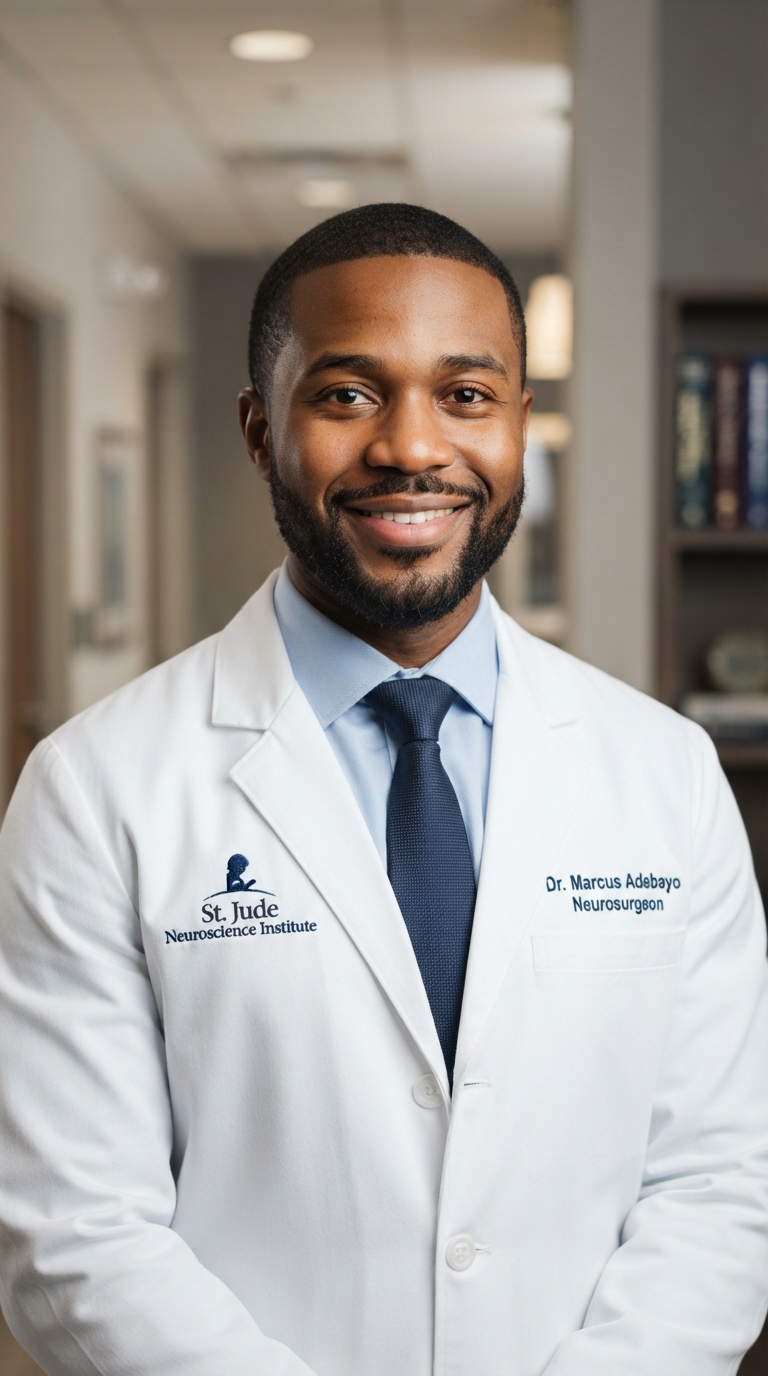
Marcus Stephens, MD
NEUROSURGEON · BRAIN & SPINE
Dr. Stephens performs a wide range of spine procedures and evaluates complicated neurologic and spinal problems from a neurosurgical perspective, including trauma and metastatic spinal disease.
AREAS OF FOCUS
- Cervical fusion
- Lumbar fusion
- Spinal trauma
- Spinal tumors
Preparing for Brain Surgery
If brain surgery is recommended, preparation begins well before the day of surgery.
We will discuss what to expect after the operation, including anticipated limitations, how long you may stay in the hospital, and where you are likely to recover. Depending on the procedure and your individual needs, that may mean returning home with help from a family member or arranging additional support.
You should also complete your pre-anesthesia testing and attend any appointments with other physicians involved in preparing you safely for surgery. If you take blood thinners or other medications, we will provide instructions about whether and when to stop them.
We encourage you to bring a family member or another person who helps you make healthcare decisions to important appointments. Brain surgery can involve a great deal of information, and having another person present can be valuable when discussing the diagnosis, procedure, recovery, and questions you may want answered.
What to Expect on the Day of Surgery
Before Surgery
On your surgery day, you will check into the preoperative area, where the nursing and anesthesia teams will prepare you for the procedure. Dr. Walters or Dr. Stephens will see you before surgery. For particularly complex operations, both surgeons may be involved.
After the Operation
After the operation, you will recover in the postoperative recovery area. Many patients who undergo brain surgery are monitored in an intensive care or step-down unit for a period of time, while some procedures may allow a shorter hospital stay.
During Your Hospital Stay
If you remain in the hospital, your surgeon continues to be directly involved in your care and sees you during your admission.
Where We Operate
Nova Brain and Spine is an independent neurosurgical practice partnered with the Piedmont Healthcare system. Our surgeons perform procedures at:
- Piedmont Atlanta Hospital
- Piedmont Fayette Hospital
- Piedmont Henry Hospital
Recovery After Brain Surgery
Recovery varies considerably depending on the procedure, the condition being treated, your overall health, and whether additional treatment is planned. A Gamma Knife treatment may allow you to return home the same day, while recovery from a craniotomy for tumor removal typically takes longer.
Discharge
Instructions before you go home
Before you go home, you will receive instructions regarding incision care, activity, medications, and symptoms to watch for. You will also have a way to contact your surgeon if a question or concern develops.
~10 days
First postoperative visit
Our typical postoperative protocol includes a visit with your surgeon approximately 10 days after surgery for an incision check and early follow-up. Some patients will also need follow-up imaging or coordination with other specialists as part of their ongoing care.
Talk With a Neurosurgeon About Brain Surgery
Being told that you may need brain surgery raises important questions: whether surgery is truly necessary, which approach makes sense, whether a less invasive option is possible, and what recovery will require.
At Nova Brain and Spine, you will discuss those questions directly with the neurosurgeon responsible for your care. We provide evidence-based, technically advanced neurosurgery while maintaining the personal involvement that can be difficult to find in a larger healthcare environment.
If you are looking for a brain surgeon in Hampton, Stockbridge, Atlanta, GA, or the surrounding region, contact Nova Brain and Spine to schedule an evaluation.
Brain Surgery in Hampton – FAQs
Still have questions?
Speak directly with the neurosurgeon who would be responsible for your care.
Does every brain condition require surgery?
No. Some brain conditions are monitored with follow-up imaging, and others are treated with medication or focused radiation. We recommend surgery when the potential benefits outweigh the risks for your specific condition.
What is the difference between a craniotomy and brain surgery?
A craniotomy is one of the ways a neurosurgeon accesses the brain during surgery. Many brain procedures use a craniotomy, while others are performed through small burr holes, through the nose, or without an incision, as with Gamma Knife radiosurgery.
Is Gamma Knife radiosurgery actually surgery?
Gamma Knife radiosurgery is a nonsurgical treatment that uses precisely focused radiation rather than an incision. It is called radiosurgery because it can achieve some of the same goals as surgery for certain conditions.
Can brain tumors be removed without opening the skull?
Some tumors can be. Certain pituitary and skull base tumors may be removed through the nose using endoscopic techniques, and some tumors may be treated with radiosurgery. Your surgeon will recommend an approach based on the tumor’s type, size, and location.
How long will I stay in the hospital after brain surgery?
Hospital stays vary widely by procedure. Some treatments allow you to go home the same day, while others, such as a craniotomy for tumor removal, typically involve several days of monitoring. Your surgeon will discuss what to expect for your specific procedure.
Will I see my surgeon after the operation?
Yes. Direct physician involvement is an important part of how we practice. If you are admitted to the hospital, your surgeon continues to see you during your stay. After discharge, our typical protocol includes a postoperative incision check approximately 10 days after surgery.
Can I get a second opinion about recommended brain surgery?
Yes. We provide second-opinion evaluations through the same standard consultation process we use for other patients. If another surgeon has recommended brain surgery and you want another neurosurgical perspective, we can review your imaging, history, and treatment options with you.
What should I bring to my consultation?
If available, bring your imaging on a CD along with the corresponding radiology reports and relevant records from physicians who have already evaluated or treated your condition. We also encourage you to bring a family member or another person who helps you make healthcare decisions.