
Spine Surgery and Treatment in Hampton, Stockbridge & Atlanta, GA
Spine conditions can cause persistent back or neck pain, nerve-related symptoms, weakness, and limitations that affect your daily life. When conservative treatments are no longer providing adequate relief, surgical or interventional treatment may be an option depending on the underlying condition, its severity, and your overall health.
At Nova Brain and Spine, we provide comprehensive evaluation and treatment for a range of spinal conditions, from minimally invasive spine surgery to spinal fusion, decompression procedures, injections, and spinal cord stimulation. Our approach emphasizes careful evaluation, evidence-based recommendations, and direct communication with your neurosurgeon so you can understand your diagnosis and the options available to you.
Serving patients in Hampton, Stockbridge, Atlanta, GA, and surrounding communities, Nova Brain and Spine offers individualized guidance to help you make informed decisions about your spine care.
3
Hospital partners across metro Atlanta
~1 week
Typical wait to be evaluated by a neurosurgeon
4–6 wks
General framework for surgical healing
2
Fellowship-trained neurosurgeons on your case
Browse Spine Procedures
Spine conditions can have different causes and may require different approaches to treatment. At Nova Brain and Spine, recommendations are based on your symptoms, imaging, medical history, and individual needs—not simply the name of a diagnosis. Our neurosurgeons take the time to explain your options, discuss the potential benefits and risks of treatment, and help you understand the next steps.
Minimally Invasive Spine Surgery
Minimally invasive spine surgery uses specialized instruments and smaller incisions to access and treat certain spinal conditions while limiting disruption to surrounding muscles and tissues. Depending on your diagnosis, these techniques may be used for procedures such as spinal fusion or nerve decompression. Your neurosurgeon will evaluate your anatomy, symptoms, and imaging to determine whether a minimally invasive approach is appropriate.
Spinal Fusion
Spinal fusion is a surgical procedure that joins two or more vertebrae to provide stability in a segment of the spine. It may be recommended for certain conditions involving spinal instability, degenerative changes, fractures, or other structural problems. The surgical approach depends on the location of the affected vertebrae, the underlying condition, and your individual treatment needs.
Cervical Fusion
Cervical fusion treats conditions affecting the neck by joining selected vertebrae to stabilize the spine. It may be recommended for certain cases of degenerative disc disease, spinal instability, or nerve or spinal cord compression. The goal is to address the underlying structural problem and, when applicable, relieve pressure contributing to neck pain, arm pain, numbness, or weakness.
Lumbar Fusion (TLIF, XLIF, PLIF, ALIF)
Lumbar fusion stabilizes the lower back by joining vertebrae at the affected spinal level. Different surgical approaches—including transforaminal lumbar interbody fusion (TLIF), lateral lumbar interbody fusion (XLIF), posterior lumbar interbody fusion (PLIF), and anterior lumbar interbody fusion (ALIF)—provide different routes to the spine. Your neurosurgeon will consider your anatomy, spinal condition, and surgical goals when determining which approach may be appropriate.
Cervical Disc Replacement
Cervical disc replacement treats certain conditions affecting the discs in the neck by removing a damaged disc and replacing it with an artificial disc. Unlike spinal fusion, which joins vertebrae together, disc replacement is designed to preserve motion at the treated level. It may be an option for selected patients with cervical disc disease or nerve compression, depending on their anatomy and overall spinal health.
Spinal Injections
Spinal injections may help manage pain and inflammation associated with certain spinal conditions. Depending on the source of your symptoms, treatment may include epidural steroid injections, facet joint injections, or nerve blocks. These procedures may help relieve symptoms, support rehabilitation, or provide information about the source of pain. Your treatment recommendation will depend on your symptoms, diagnostic findings, and response to previous care.
Spinal Cord Stimulators
Spinal cord stimulation uses an implanted device to deliver electrical signals that modify pain signaling along the spinal cord. It may be considered for selected patients with chronic pain who have not achieved sufficient relief through other treatments. Candidacy depends on the type of pain, medical history, previous treatments, and a comprehensive evaluation of potential benefits and risks.
Laminectomy
A laminectomy is a decompression procedure that removes part of the vertebra called the lamina to create more space for the spinal cord or nerves. It may be recommended for conditions such as spinal stenosis that cause nerve compression, pain, numbness, or weakness. The specific procedure depends on the location and extent of compression and whether additional stabilization is needed.
Microdiscectomy
A microdiscectomy is a surgical procedure used to remove the portion of a herniated spinal disc that is pressing on a nearby nerve. It is commonly considered for selected patients with lumbar disc herniation and symptoms such as sciatica, leg pain, numbness, or weakness that have not improved with conservative treatment. By relieving pressure on the affected nerve, the procedure aims to reduce related symptoms while preserving as much healthy tissue as possible.
Talk With a Neurosurgeon About Your Brain & Spine
At Nova Brain and Spine, your relationship is directly with your surgeon — before, during, and after your operation.
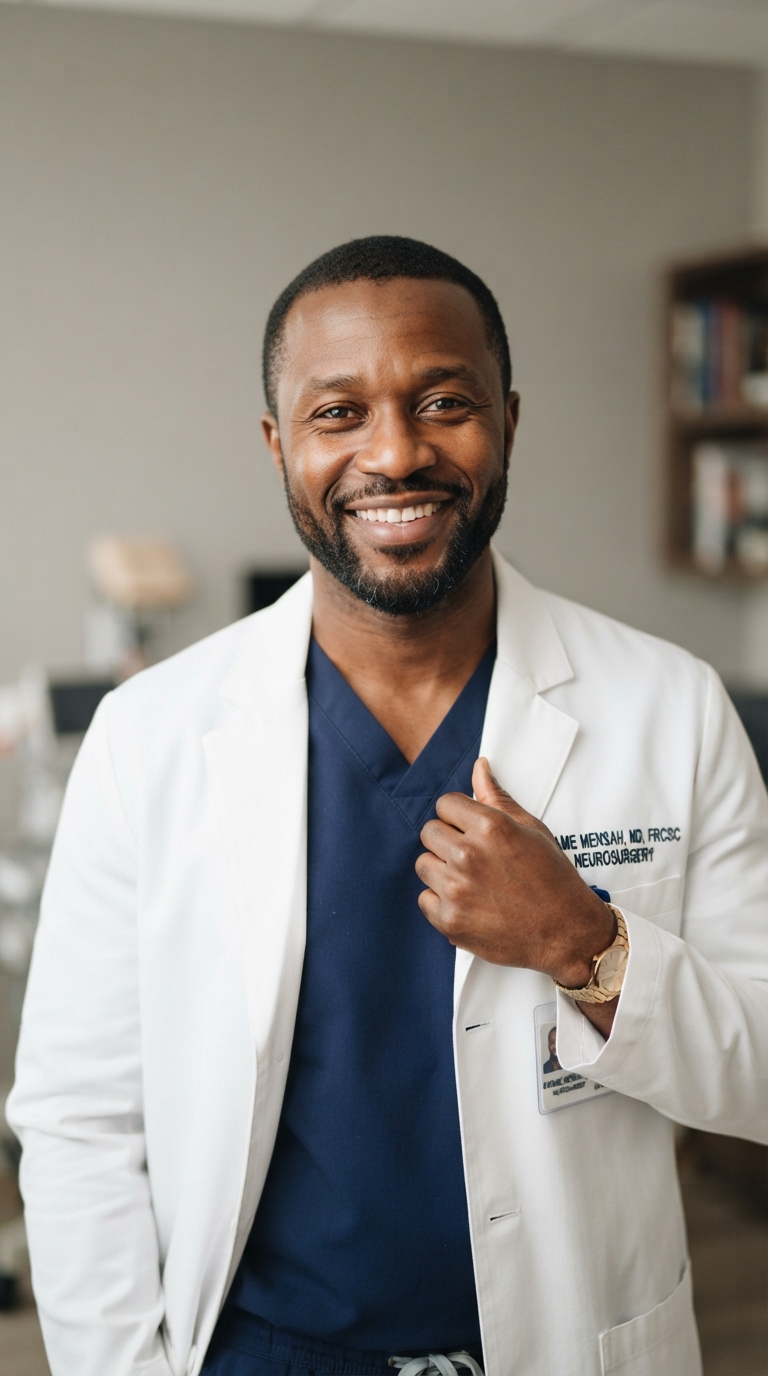
Jerry Walters, MD
NEUROSURGEON · COMPLEX & MINIMALLY INVASIVE SPINE
Dr. Walters focuses on complex spine surgery and complex spinal revisions, and is among a limited number of neurosurgeons in Georgia performing OptiLIF ultra-minimally invasive lumbar fusion.
AREAS OF FOCUS
- Complex spine surgery
- Spinal revisions
- OptiLIF
- Minimally invasive fusion
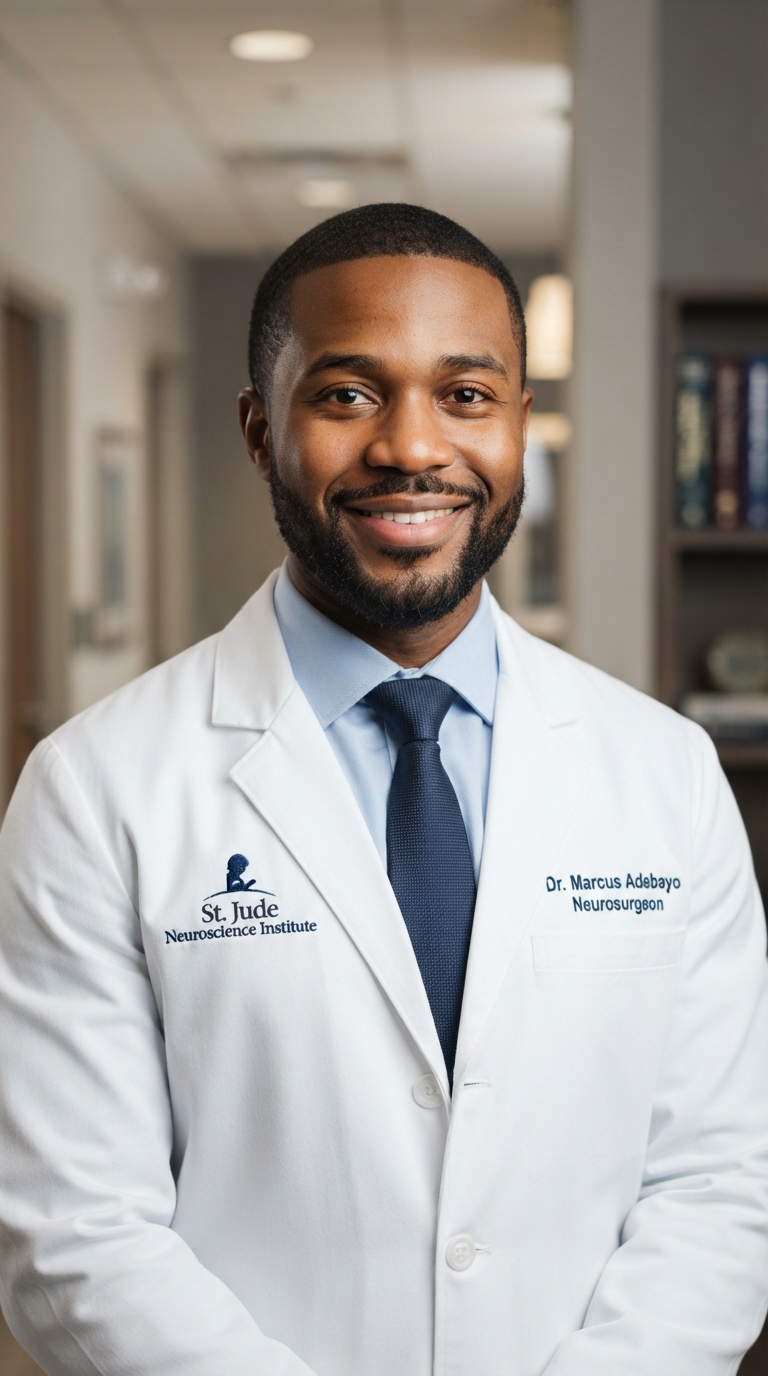
Marcus Stephens, MD
NEUROSURGEON · BRAIN & SPINE
Dr. Stephens performs a wide range of spine procedures and evaluates complicated neurologic and spinal problems from a neurosurgical perspective, including trauma and metastatic spinal disease.
AREAS OF FOCUS
- Cervical fusion
- Lumbar fusion
- Spinal trauma
- Spinal tumors
Why Choose Nova Brain and Spine for Spinal Procedures?
As Georgia’s Comprehensive Brain and Spine Center, Nova Brain and Spine combines the breadth expected of a neurosurgical referral center with the direct access and personal attention of an independent practice.
Your Neurosurgeon Is the Face of Your Care
When you come to Nova Brain and Spine, your relationship is directly with your surgeon. You are not evaluated by a physician extender and then passed through layers of care. Dr. Walters and Dr. Stephens remain personally involved throughout the surgical process, including postoperative hospital care.
Broad Expertise in Spine Surgery
Both surgeons perform a wide range of spine procedures. Dr. Walters has particular expertise in complex and minimally invasive spine surgery, including spinal revisions, while the breadth of the practice allows us to evaluate complicated neurologic and spinal problems from a neurosurgical perspective.
Advanced Surgical Technology Used with Purpose
Our surgeons routinely incorporate intraoperative navigation, minimally invasive instrumentation, and dedicated neurologic monitoring when appropriate. Dr. Walters also offers OptiLIF for properly selected spinal fusion patients.
Timely Access to a Neurosurgeon
Patients referred to large medical systems can sometimes wait a considerable amount of time before seeing the specialist who will actually make their treatment decision. Dr. Walters and Dr. Stephens oversee the intake process closely, and patients can often be evaluated within days or approximately one week.
Evidence-Based Care With a Human Connection
We built our practice around the belief that technical excellence and human interaction belong together. We consider current neurosurgical standards and available evidence while making room for the conversations that matter to you and your family.
A Standard We Apply to Our Own Families
We have even trusted one another with the care of our own family members. That same level of consideration shapes the recommendations we make for the people who come through our doors.